
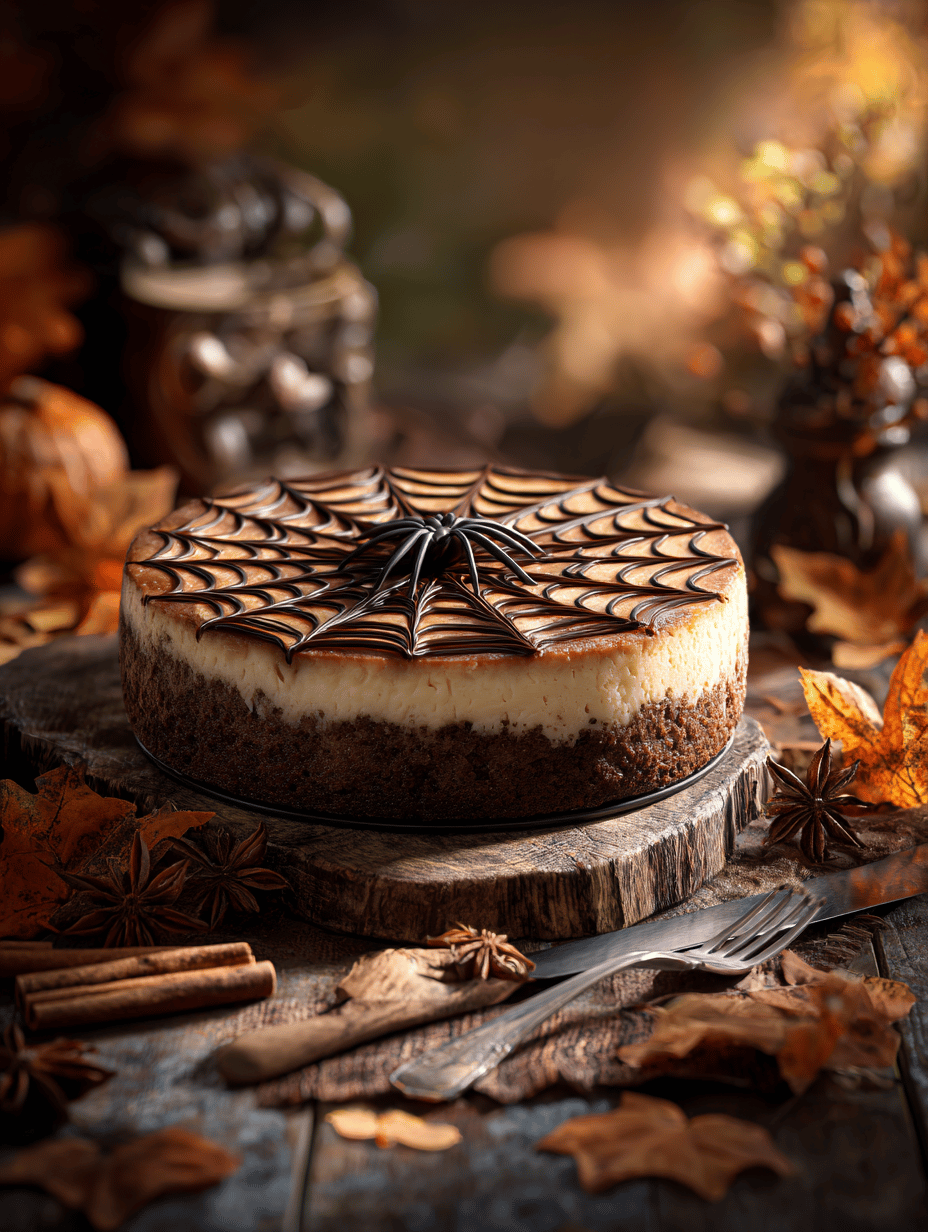
The spiderweb cheesecake isn’t just a dessert; it’s a little piece of edible art that invites a moment of focus and patience. I first made it during a quiet fall evening, drawn in by the intricate web pattern and the challenge of keeping it neat. It’s a recipe that rewards careful piping and a steady hand, but the result is a hauntingly beautiful centerpiece.
Why This Cheesecake Keeps Calling Me Back
It’s the kind of dessert that turns simple ingredients into a work of art. The process of piping the web is oddly calming, and the final look always surprises people. Plus, the flavor balance—rich cream cheese with a buttery crust—never fails to hit that sweet spot. It’s a project that feels special, yet approachable enough to make me want to do it again.
Spiderweb Ingredients and Their Secrets
- Cream cheese: The creamy base; make sure it’s softened for smooth mixing, or lumps will haunt you.
- Digestive or graham cracker crumbs: The crunchy crust foundation, adding a sweet, buttery crunch—substitute with digestive biscuits for extra richness.
- Sugar: Sweetens the deal, brightening the tangy cream cheese—adjust to taste for a less sweet or more balanced flavor.
- Eggs: Bind the filling, keep it moist—use large eggs for consistency, or try egg substitutes if needed.
- Whipped cream or icing: Create the web; whip until stiff peaks for crisp web lines, or use store-bought icing for ease.
- Vanilla extract: A splash for flavor—try almond or lemon zest for a different aroma.
- Food coloring (optional): For the web, a hint of black or dark gray makes it pop—use gel for vivid color.
Tools of the Web-Making Trade
- Springform pan: To bake the cheesecake evenly and remove it easily.
- Electric mixer: To beat the cream cheese and achieve a silky smooth filling.
- Piping bag with fine tip: For creating the web pattern with whipped cream or icing.
- Toothpick or skewer: To drag through the piping to form the web lines.
- Offset spatula: To smooth the top of the cheesecake before decorating.
Steps to Craft the Spiderweb
Step 1: Preheat your oven to 160°C (320°F).
Step 2: Mix crushed cookies with melted butter to make the crust, press into a springform pan.
Step 3: Beat cream cheese with sugar until smooth, then add eggs one at a time.
Step 4: Pour filling over the crust, smooth the top.
Step 5: Bake for 50-60 minutes until the edges are set but the center jiggles slightly.
Step 6: Let it cool in the pan for 1 hour, then chill in the fridge for at least 4 hours or overnight.
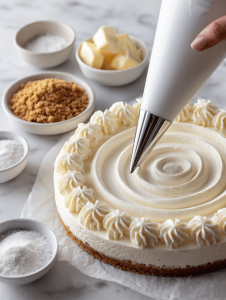
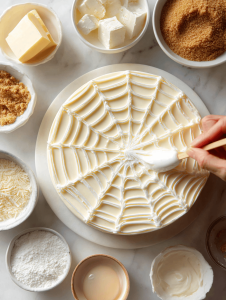
Step 7: Create the spiderweb pattern by piping whipped cream or icing in concentric circles, then drag a toothpick from the center outward to form web lines.
Cues and Tips for a Flawless Web
- Ensure the cream cheese mixture is completely smooth before baking, avoiding lumps.
- Watch the edges of the cheesecake; they should be lightly golden but not overdone.
- The center should jiggle slightly when gently shaken—like a gentle wave, not jello.
- The web lines should be firm enough to hold their shape but not crack when you drag the toothpick.
Web-Wrecking and How to Fix It
- Web lines are sagging or melting.? FORGOT to chill the cheesecake before piping. → Chill for at least 4 hours to firm up.
- Cracks forming on the surface.? DUMPED too much filling into the pan. → Leave some space for the web decoration.
- Web pattern smudges or gets smudged.? OVER-TORCHED the edges. → Cover with foil or reduce oven temp.
- Web pattern not visible enough.? FAILED to create contrast for the web. → Use a darker icing or whipped cream.
Spiderweb Cheesecake
Ingredients
Equipment
Method
- Preheat your oven to 160°C (320°F).
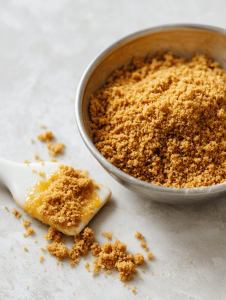
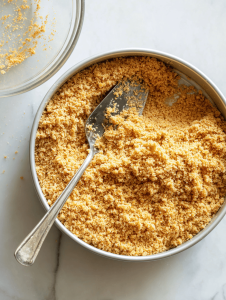
- Mix the digestive crumbs with melted butter until combined and press evenly into the bottom of a springform pan to form a crust.
- In a large mixing bowl, beat the softened cream cheese with the sugar until smooth and creamy, about 2-3 minutes, and then add eggs one at a time, mixing well after each addition.
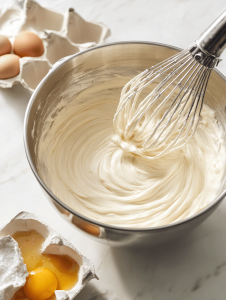
- Add vanilla extract and mix until evenly incorporated.
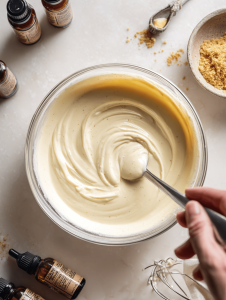
- Pour the filling over the prepared crust and smooth the top with an offset spatula.
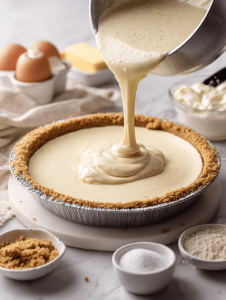
- Bake the cheesecake for 50-60 minutes, until the edges are lightly golden and the center jiggles gently when shaken.
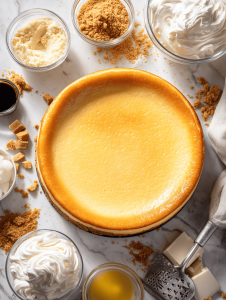
- Let the cheesecake cool in the pan for about an hour, then refrigerate for at least 4 hours or overnight to set completely.
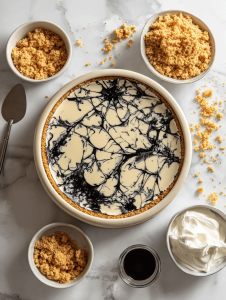
- Once chilled, spread the whipped cream or icing evenly over the top of the cheesecake using an offset spatula.
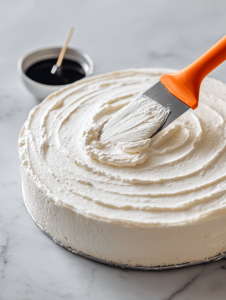
- Fill a piping bag fitted with a fine tip with the whipped cream or icing. Pipe concentric circles starting from the center outward across the entire surface.
- Using a toothpick or skewer, drag from the center outward through the concentric circles to create the web pattern, repeating until the web is complete.
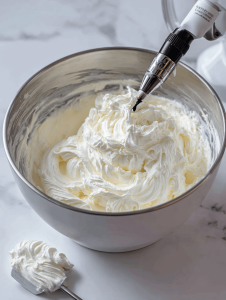
- If desired, add a small drop of black gel food coloring to the whipped cream before piping for a darker web contrast.
- Slice and serve your stunning spiderweb cheesecake, enjoying the creamy texture and intricate decoration.
Notes

Hi, I’m Jessica Miller, the creator behind Taste Bud Tyrant. Before you get intimidated by the name, let me explain. I am not actually tyrannical. I am just deeply opinionated about flavor. If a dish is bland, I will say it. If a sauce needs acid, I will add it. If something can be bolder, brighter, or better balanced, I will not stop until it is.
