
Most ratatouille recipes involve lots of fuss—bubbling pots, stirring, careful layering. But I’ve found that roasting everything on a sheet pan turns it into a fuss-free, deeply flavored crowd-pleaser. It’s like the vegetables get to concentrate their sweetness and develop a smoky edge, all without breaking a sweat.
This method is perfect for those days when you want something wholesome, vibrant, and easy. You get all the hearty, veggie-packed goodness with less mess and more time to relax. Plus, the smell of roasted herbs and caramelizing zucchini fills the kitchen in a way that makes everyone stop and smile.
The Unconventional Charm of Roasting a Classic in One Pan
Why This Roasted Ratatouille Means So Much to Me
- I love how roasting makes the vegetables taste more intense, almost caramelized.
- Sometimes I throw in a handful of olives or capers for a salty punch.
- I used to think ratatouille was just a summer dish, but roasting makes it perfect any season.
- Getting the vegetables into the oven and walking away is such a relief compared to stovetop simmering.
A Simple Revelation in the Oven.
- One chilly autumn weekend, I was craving something warm and veggie-packed but didn’t want to fuss over multiple pots. I threw together a quick sheet pan version, and it turned out better than I expected—smoky, sweet, and hearty. That moment made me realize how the oven can be a magic wand for simple, soulful cooking.
- The smell of roasting vegetables filled the whole house, making everyone gather around the kitchen. It’s become my go-to for busy nights or when I want to impress without stress. It’s proof that sometimes, less really is more.
- This dish reminds me always to keep it straightforward and flavorful—trust the vegetables to shine.
Ratatouille: From Stew to Sheet Pan Wonder
- Ratatouille originates from Provence, France, as a humble vegetable stew.
- Roasting transforms the classic stew into a vibrant, smoky dish that’s more forgiving.
- The name ‘ratatouille’ comes from the Occitan word ‘ratatolha,’ meaning ‘chunked’ or ‘mixed.’
- Traditionally, ratatouille is cooked slowly on the stovetop, but roasting speeds up the process and deepens flavors.
- This method is inspired by rustic French cooking, emphasizing simplicity and flavor over fuss.
Deep Dive into Key Veggies
- Eggplant: I love its soft, smoky bite—toss with salt to draw out bitterness, then rinse.
- Zucchini: Slightly sweet and tender, it’s forgiving—swap with yellow squash if needed.
- Bell Peppers: Their charred sweetness is key—try red for depth or yellow for brightness.
- Tomatoes: Juicy and flavorful, they roast down into a rich, syrupy base—use plum tomatoes for more body.
- Garlic: Roasted garlic becomes sweet and mellow—add more for a stronger aroma or skip for milder flavor.
Spotlight on Eggplant & Zucchini
Eggplant:
- Its spongy texture absorbs flavors and becomes silky when roasted.
- Keep slices uniform for even cooking and a tender bite.
Zucchini:
- Its bright, fresh flavor intensifies with roasting, turning slightly nutty.
- Avoid overcooking to keep some bite and avoid mush.
Smart Ingredient Swaps for Every Kitchen
- Dairy-Free: Use olive oil instead of butter to keep it vegan and light.
- Gluten-Free: Serve over rice or polenta instead of bread.
- Extra-Veggie: Add sliced mushrooms or fennel for more depth.
- Herb Variations: Fresh oregano or thyme can replace dried, fresh always brighter.
- Spice it up: Add a pinch of red pepper flakes for heat.
- Sweetness: A drizzle of honey or balsamic vinegar enhances caramelization.
Equipment & Tools
- Large rimmed baking sheet: To hold all the vegetables in a single layer for even roasting.
- Parchment paper or silicone mat: To prevent sticking and make cleanup easier.
- Sharp knife & cutting board: To slice vegetables uniformly.
- Spatula or tongs: To toss and turn vegetables midway.
- Measuring spoons: For precise seasoning.
Step-by-Step Roasting Guide for Sheet Pan Ratatouille
- Preheat your oven to 220°C (430°F). Line a large sheet pan with parchment paper or a silicone mat.
- Slice eggplant, zucchini, bell peppers, and tomatoes into roughly 1/4 inch thick rounds or strips.
- Toss all the vegetables with 3 tablespoons of olive oil, 2 minced garlic cloves, a teaspoon of dried thyme, salt, and pepper.
- Arrange the vegetables on the sheet pan in a single layer, overlapping slightly but not crowded.
- Roast for 25-30 minutes, flipping halfway through. Look for caramelized edges and tender insides.
- Check at 20 minutes: edges should be golden, smell fragrant, and veggies should jiggle slightly when shaken.
- If too soft or burnt, reduce heat or check earlier next time. If not browned enough, leave a few minutes longer.
- Once done, sprinkle with chopped fresh basil or parsley and a splash of balsamic vinegar.
- Let rest for 5 minutes before serving. Serve hot or at room temperature.
Sprinkle with fresh herbs and a drizzle of olive oil before serving. Rest for 5 minutes to let flavors meld.
How to Know It’s Done
- Edges are darkened but not burnt, with a slight crisp.
- Vegetables are tender when pierced with a fork.
- Aromatic herbs and roasted garlic are fragrant throughout.
Sheet Pan Roasted Ratatouille
Ingredients
Equipment
Method
- Preheat your oven to 220°C (430°F). Line a large rimmed baking sheet with parchment paper or a silicone mat to prevent sticking.
- Slice the eggplant and zucchini into uniform 1/4 inch thick rounds, and cut the bell peppers into strips. Halve the cherry tomatoes and set all aside.
- In a large bowl, toss the sliced vegetables with olive oil, minced garlic, dried thyme, salt, and pepper until everything is evenly coated.
- Arrange the seasoned vegetables on the prepared sheet pan in a single, overlapping layer, making sure not to overcrowd so they roast rather than steam.
- Place the sheet pan in the oven and roast for 25-30 minutes, flipping the vegetables halfway through. You’ll see the edges start to caramelize and turn golden brown.
- Once the vegetables are tender and nicely charred around the edges, remove the pan from the oven and transfer the roasted vegetables to a serving dish.
- Finish by sprinkling chopped fresh herbs over the top and a splash of balsamic vinegar if desired for an extra flavor boost. Toss gently to combine.
- Serve the roasted ratatouille warm or at room temperature, pairing it with crusty bread, rice, or simply enjoy on its own for a vibrant, wholesome meal.
Pro Tips for Perfect Sheet Pan Ratatouille
- Use a large sheet pan to give veggies space; overcrowding causes steaming.
- Toss the vegetables halfway through roasting for even caramelization.
- Add herbs and seasonings after roasting to keep their brightness.
- Slice vegetables uniformly for consistent cooking and texture.
- Finish with fresh herbs or a splash of vinegar for a flavor boost.
- Adjust roasting time based on your oven’s quirks and vegetable thickness.
- Don’t forget to taste and adjust seasoning before serving.
Common Mistakes & How to Correct Them
- FORGOT to preheat? Turn on the oven early to avoid uneven roasting.
- DUMPED too much oil? Use a paper towel to soak up excess before roasting.
- OVER-TORCHED the edges? Reduce oven temperature or check earlier next time.
- UNDERCOOKED? Roast a few extra minutes, checking for tender, caramelized edges.
Fast Fixes for Roasted Veggie Woes
- When veggies look pale, turn up the heat or roast a few extra minutes.
- Splash a bit more olive oil if the veggies seem dry.
- Patch over burnt edges with fresh herbs and a squeeze of lemon.
- Shield overcooked veggies with foil if they start to blacken.
- Shake the pan gently to redistribute heat and prevent uneven charring.
Make-Ahead & Storage Tips
- Vegetables can be sliced a day ahead and kept in the fridge, covered.
- Roasted ratatouille keeps well for 3 days in the fridge, stored in an airtight container.
- Flavors deepen overnight, so it’s great for leftovers.
- Reheat in oven at 180°C (350°F) until bubbling, about 10 minutes, until fragrant.
10 Practical Q&As About Sheet Pan Ratatouille
1. What size sheet pan is best?
Use a large, rimmed baking sheet to give everything enough space to roast evenly without steaming.
2. How thick should the vegetables be sliced?
Slice the vegetables uniformly, about 1/4 inch thick, for even cooking and a good bite.
3. Should I marinate or season the vegetables beforehand?
Toss the vegetables with olive oil, herbs, salt, and pepper before roasting to enhance flavor.
4. What temperature and time are ideal?
Roast at 220°C (430°F) for about 25-30 minutes, until edges are caramelized and vegetables are tender.
5. How do I know when it’s perfectly roasted?
Check the vegetables at 20 minutes; they should be lightly browned around the edges.
6. Is tossing necessary during roasting?
Use a spatula to toss halfway through, ensuring even caramelization.
7. Can I add cheese or other toppings?
Finish with fresh herbs or a drizzle of balsamic vinegar for added brightness.
8. What’s the best way to serve this dish?
Serve hot or at room temperature, with crusty bread or over grains.
9. How long can I store leftovers?
Leftovers keep well in the fridge for up to 3 days; reheat until bubbling and fragrant.
10. Can I freeze the roasted vegetables?
Yes, you can freeze it for up to a month; reheat in oven or skillet until hot.
Sometimes, I forget how simple cooking can be when you let the oven do the work. Roasting transforms the veggies into something richer and more complex than just sautéed slices. It’s a reminder that great flavor doesn’t have to come from complicated techniques.
This dish is all about embracing the natural sweetness and earthy flavors of the vegetables. It’s perfect for a busy weeknight but fancy enough to serve to friends. A sheet pan is honestly the unsung hero of the kitchen—easy, forgiving, and a little bit magical.
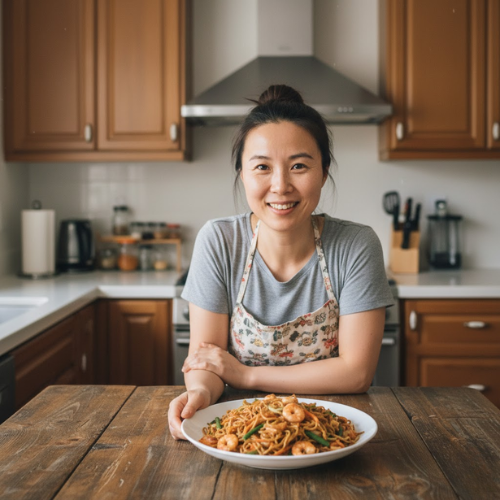
Hi, I’m Jessica Miller, the creator behind Taste Bud Tyrant. Before you get intimidated by the name, let me explain. I am not actually tyrannical. I am just deeply opinionated about flavor. If a dish is bland, I will say it. If a sauce needs acid, I will add it. If something can be bolder, brighter, or better balanced, I will not stop until it is.
